Moisture in a loft does not always mean rain is getting through the roof. Warm, moisture-laden air from the house can meet cold roof surfaces and form condensation. A roof leak can produce similar signs, and both problems can occur together. The useful first step is to record the pattern, not to cover the roof with sealant or remove insulation on a guess.
Compare the timing, without treating it as proof
Note whether dampness follows rainfall, colder nights or a sudden temperature change. Condensation can show as droplets across the underside of a cold roof, while a leak may be more localised near a damaged detail. Neither pattern is conclusive: water can travel along timbers and a leak can spread. Record dates and photographs to give the person inspecting it a clearer history.
Keep any inspection within safe access
Only look inside the loft if the hatch, lighting and boarding allow safe access. Do not stand on insulation or the ceiling between joists. Check from the hatch if that is the only safe position. Damp electrical fittings, a sagging ceiling or visibly damaged timbers need professional attention; keep people clear rather than trying to investigate further.
Reduce moisture where it is produced
Cooking, bathing and drying clothes release water vapour. Use the home's existing ventilation and extractor fans as intended, put lids on pans and avoid allowing steam to build up indoors. NHBC explains that vapour can reach the roof space through ceilings and gaps around hatches, pipes and fittings. Ask a suitable professional to check extraction and air leakage rather than sealing openings indiscriminately.
Keep insulation and ventilation working together
Insulation helps retain heat in the home, leaving the roof space colder. Do not push stored boxes or insulation into ventilation openings at the eaves. Equally, do not remove insulation or cut extra vents as a trial repair: the right arrangement depends on the roof covering, underlay and construction. LABC warns that incorrectly insulating a roof without suitable ventilation can lead to moisture and timber deterioration.
Ask for the cause and the proposed remedy
An assessment should consider the covering and flashings as well as ventilation, insulation and signs of water entering from inside the home. Explain any recent insulation, roof or bathroom work. Ask what was inspected, what remains inaccessible and whether another trade needs to be involved. A dehumidifier or surface coating is not a substitute for establishing the source of persistent damp.
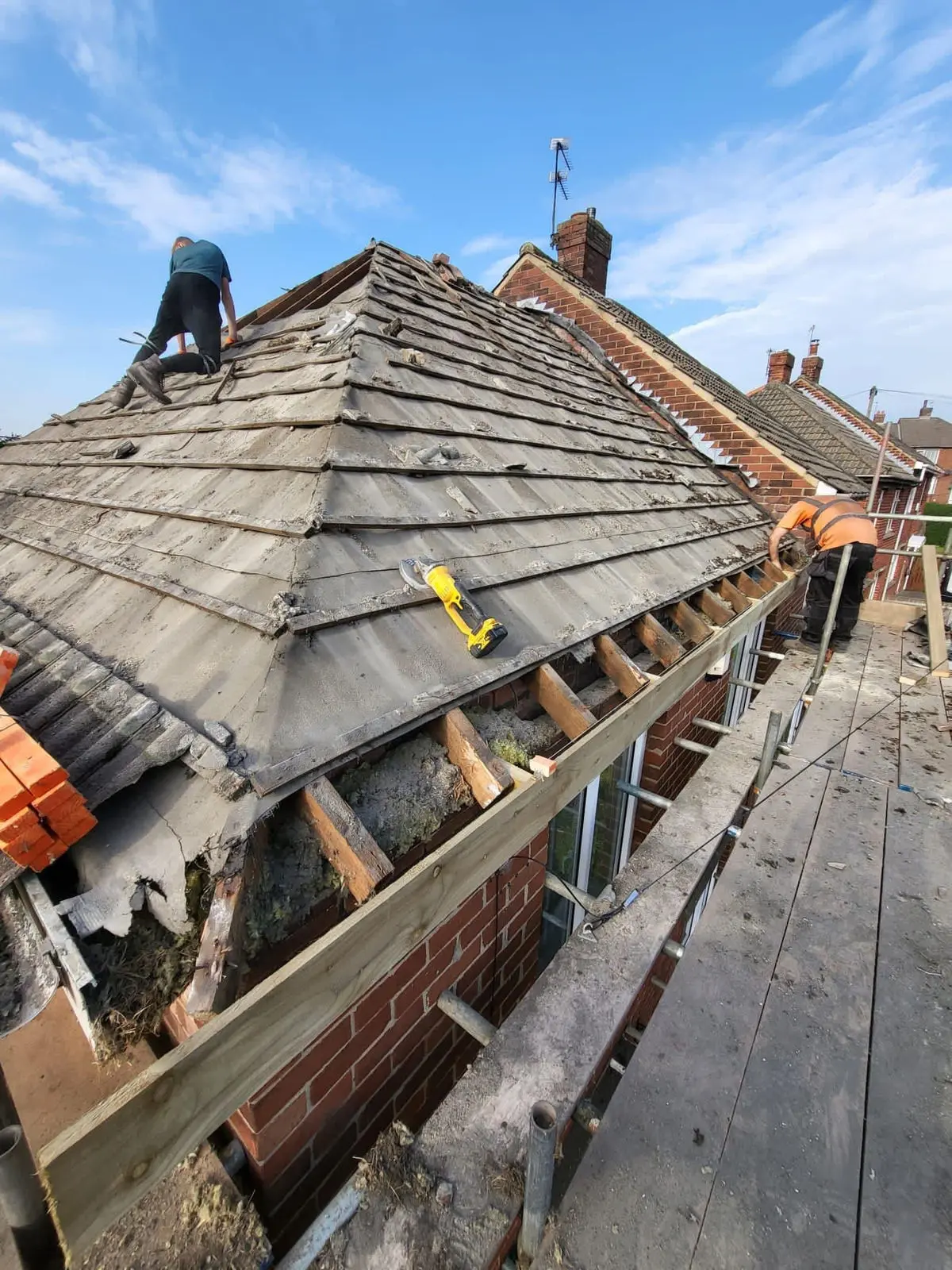
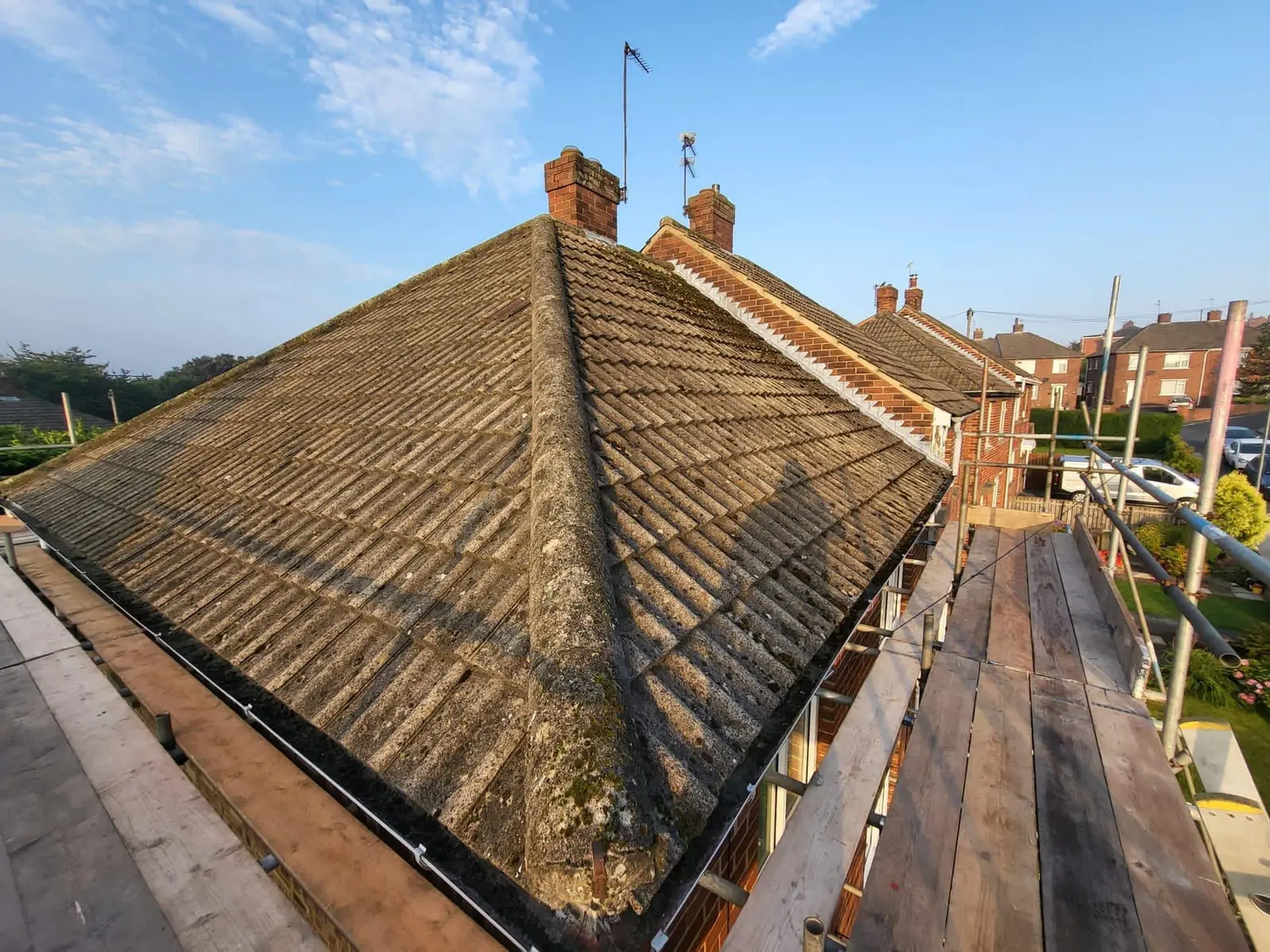
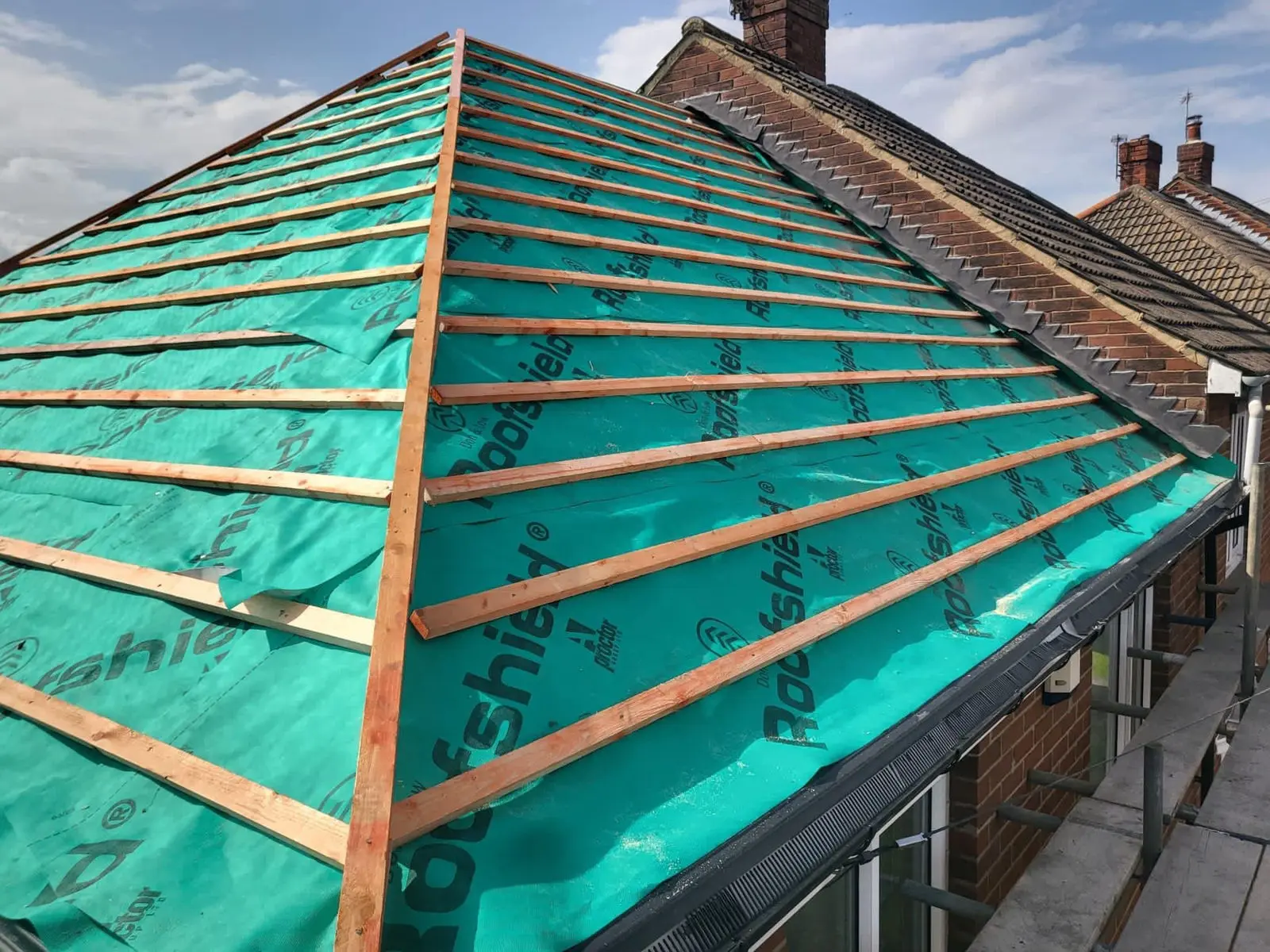
The photograph shows genuine RE-Roof roof membrane and batten work, not a diagnosed condensation case. If you have damp in a loft across Durham, Newcastle, Sunderland or our wider service area, describe the symptoms and any recent changes when you contact us. We can discuss a roofing assessment; this guide cannot diagnose your property remotely.
Related services: Roof Repairs, New Roofs, Re-Roofing. Or get in touch for a quote.